
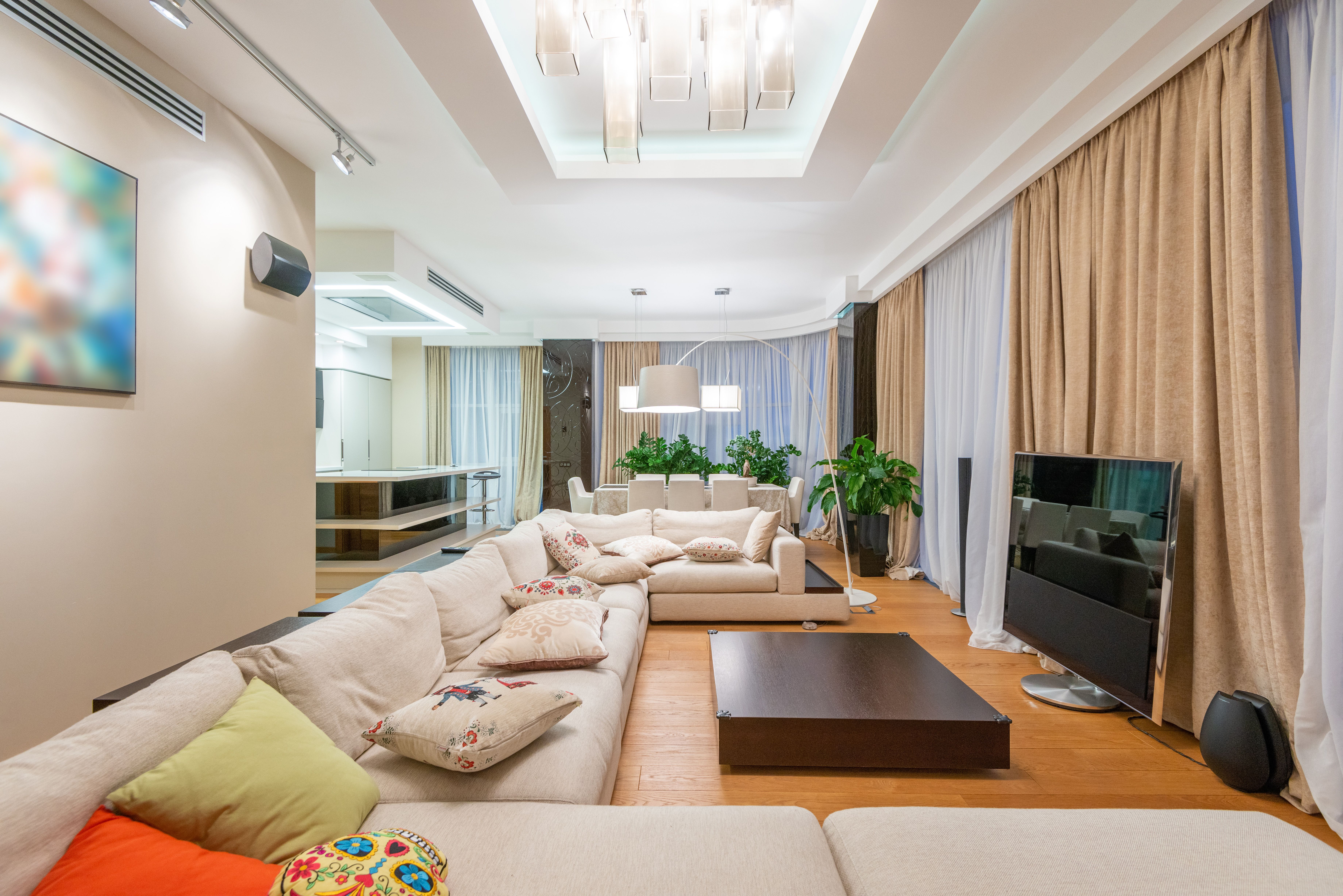
A beautiful home catches your attention in a photograph. Living in it is a different test. You need room to pull out a dining chair, somewhere to put shopping bags, and a reading light that reaches the page. These details deserve as much thought as the marble or the sofa.
At WeDezine Studio, we design homes around the people who use them. For anyone planning customized home interiors in Bangalore, the starting point is your everyday life. The colors and finishes come into the picture, but first, the rooms need to work. Here are the design principles worth bringing into your own home.
Why Does The Layout Come Before The Furniture?
The layout decides how comfortably you move through a room. Before choosing furniture, check the routes between doors, seating, storage, and windows. A generous sofa loses its appeal if you have to turn sideways to get past it.
Think through an ordinary evening. Someone is cooking, another person is taking a work call, and the children have their books spread across the dining table. Can those activities happen without everyone getting in each other's way?
Mark furniture positions on the floor before buying. Open cupboard doors and pull out chairs. Changing a layout on paper is easier than working around an oversized table every day.
How Do You Make A Home Feel Connected Without Matching Everything?
Repeat a few finishes or colors across the home, then give each room some freedom. A similar wood tone on the dining cabinet and bedroom wardrobe can create a connection without making the rooms look identical.
Choose the elements you want to carry through early. That might be timber, a muted green, or a particular metal finish. You don't need all three in every room.
Leave space for something unexpected, too. A painting you love or an old wooden chest, can sit comfortably alongside new furniture. Your home should have room for the things you already own, especially the ones you would never replace.
What Should A Premium Interior Design Studio Plan For Lighting?
Lighting should support what you do in each part of the room. A ceiling light may help you find your way around, but reading, chopping vegetables, and getting dressed need more focused light.
Plan these separately:
- General lighting for moving around comfortably.
- Task lighting at kitchen counters, desks and reading chairs.
- Softer lamps or wall lights for evenings.
Consider switches while you decide the furniture layout. You should be able to reach the bedside light from bed. A floor lamp needs a socket close enough that its cable doesn't cross a walkway.
Look at daylight as well. Check where glare falls on your television or work screen before fixing its position. Curtains and blinds should suit the window and the privacy you need.
How Do Customized Home Interiors Make Storage Easier?
Useful storage starts with an honest list of what you own. Count the shoes, look at the kitchen appliances, and measure the suitcases. Otherwise, you can end up with plenty of cupboards and nowhere suitable for the awkward things.
Put everyday items near the place you use them. Keys need a spot near the entrance. Serving bowls belong within easy reach of the dining area. A vacuum cleaner needs a cupboard tall enough to take it.
In a Bangalore apartment, a spare room might serve as both a study and a guest bedroom. Plan where the office supplies will go when guests arrive. Customized home interiors should solve that change of use, rather than simply adding another cabinet.
Why Should You See Material Samples Before Approving Them?
A sample lets you judge the finish in your own home's light. A wood shade that looks warm in a showroom may look quite different beside your flooring. Place samples together instead of approving each one separately.
Touch them, too. Feel the upholstery and the edges of handles. Ask how to clean the surfaces and whether they need periodic maintenance.
Be realistic about daily use. If you have pets, ask about suitable upholstery. If you cook often, discuss how the chosen kitchen finishes handle spills and cleaning. A surface you enjoy looking at should also be one you are comfortable living with.
Where Is It Worth Spending More?
Start with the parts of the home you touch and use every day. Comfortable seating, reliable drawer fittings, and well-planned kitchen storage deserve attention before decorative extras take over the budget.
Choose a few features you really want. Perhaps that is a custom dining table or a reading corner by the window. Give those choices enough room to stand out rather than filling every wall with a feature.
Ask for an itemized quote so you can see where the money is going. If something needs to be reduced, discuss the options before work starts. Keep the material specifications in writing alongside the approved drawings.
How Do You Choose The Right Interior Designer In Bangalore?
When comparing the best residential interior designers in Bangalore, look beyond the first photo in the portfolio. Ask to see how they have handled homes with a layout and brief similar to yours.
A useful first discussion should cover:
- Who will develop the design and answer your questions.
- What is included in the quotation.
- How you will approve drawings and materials.
- How changes during the project are recorded.
- What support is available after handover.
The same checks apply when shortlisting the best luxury interior designers in Bangalore. Explain what matters to you, including anything you dislike about your current home. A clear brief gives the designer more than a folder of attractive images.
Why Choose Wedezine Studio For Your Home?
At WeDezine Studio, we bring together space planning, material selection, and execution for apartments and villas. Our home interior services include modular kitchens, custom furniture, and room-specific design. We also use 3D visualization to help you review the proposed design before work begins.
Explore our customized home interiors to see how we approach different spaces, or get to know our premium interior design studio before planning your project. Bring your floor plan, a few references, and a list of what needs to work better.
You don't need to arrive with every finish decided. Tell us how you live, what you want to keep, and where the current space falls short. That is where a useful design conversation begins