
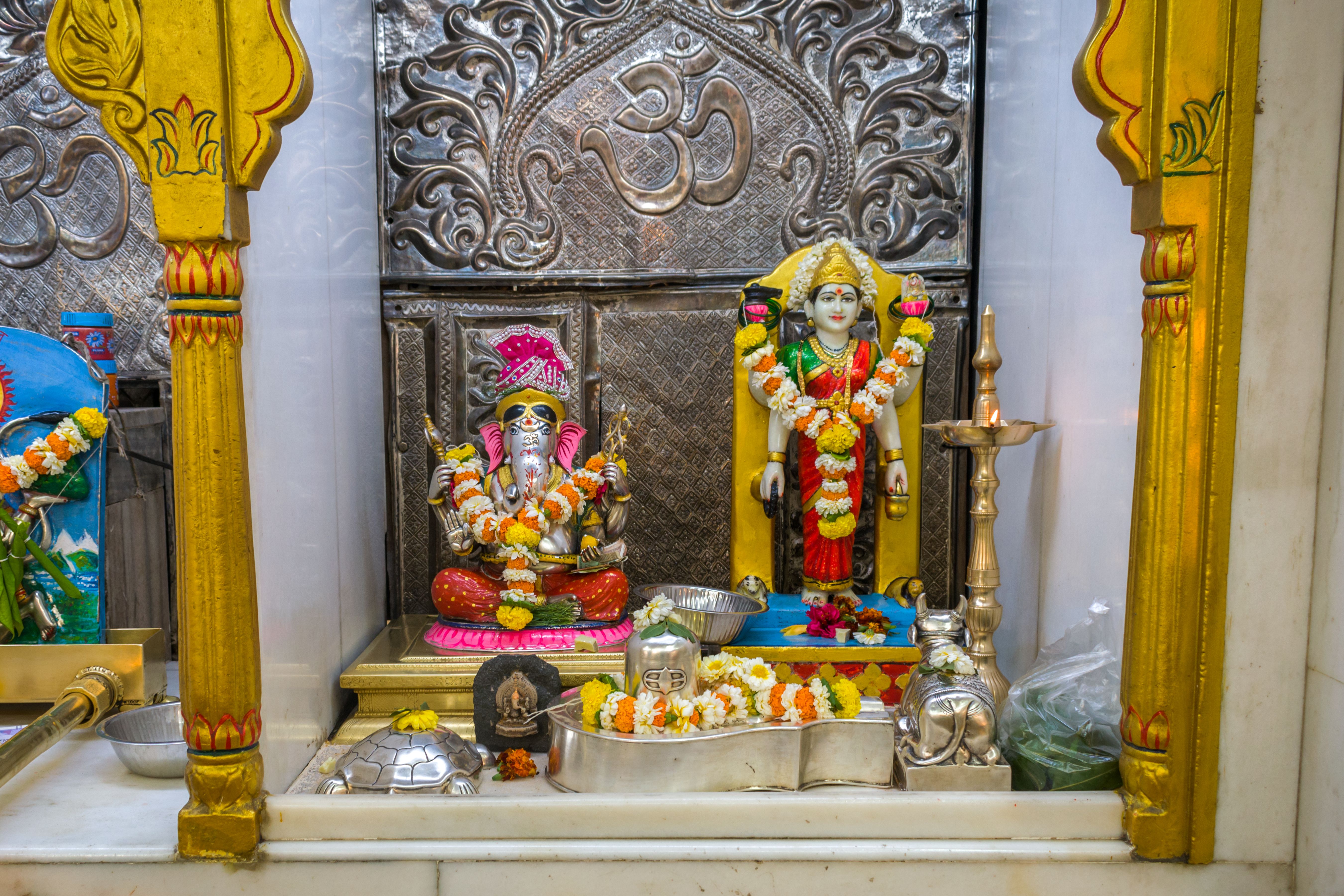
A sacred sanctuary within a modern layout serves as an anchor for peace, daily prayer, and personal reflection. In thoughtful pooja room interiors, the goal is to create a peaceful prayer zone that feels naturally integrated with the rest of your living environment. Rather than feeling like an isolated room or an afterthought, a well-planned altar blends smoothly with overall residential architecture while preserving a distinct sense of reverence. Achieving this balance requires careful planning around spatial orientation, natural illumination, material selection, and subtle architectural details.
1. Choosing the Right Location and Orientation
Direction and layout form the foundation of any sacred zone. Traditional Indian architectural principles advocate placing the prayer area in the north-east corner of a house to maximize morning sunlight and positive energy flow. However, modern floor plans often demand creative adaptation.
- In Open-Plan Residences: Integrate the shrine near the living or dining hall using semi-permeable dividers like carved wooden jaali screens, fluted glass partitions, or slender timber battens. This maintains openness while establishing visual boundary lines.
- In Duplex House Interiors: When planning duplex house interiors, position the prayer room on the ground floor near central living zones so elderly family members can access it easily without negotiating staircases. Alternatively, place it near a quiet double-height atrium where light streams in naturally from upper-level skylights.
- Compact Urban Layouts: Utilize dedicated wall niches, floating marble ledges, or customized alcoves near quiet corners of the main hallway.
2. Materiality and Palette: Balancing Tradition with Modern Luxury
The materials chosen for a prayer zone dictate its tactile quality and atmosphere. Luxury home interiors favor natural surfaces that age gracefully and emit warmth under warm light.
Pairing cool natural stone with warm timber creates an inviting aesthetic. Avoid overly glossy or high-maintenance finishes that scratch easily or show fingerprints during daily worship practices.
3. Layered Lighting for a Meditative Ambient Glow
Lighting sets the emotional tone of a sacred space. Direct overhead light often feels clinical and creates harsh shadows over idols and brassware. A layered illumination strategy creates depth and serene focus:
- Ambient Layer: Concealed LED coves (2700K to 3000K warm white) placed behind false ceilings or back panels soft-cast light across walls without visible fixtures.
- Focus Layer: Low-glare recessed miniature spotlights aimed directly at central brass idols or framed motifs highlight intricate artisanal detailing.
- Accent Layer: Backlit onyx or alabaster slabs behind the altar create a halo effect, surrounding sacred iconography with a calm, diffuse radiance.
Integrating smart dimmers allows you to adjust brightness levels for early morning meditation versus evening prayers.
4. Architectural Details in Classic Home Interiors
In classic home interiors, traditional architectural motifs bring depth and heritage into contemporary spaces. Integrating intricate motifs elevated with clean modern lines keeps the sanctuary aligned with surrounding rooms.
- Carved CNC Wood Partitioning: Intricate geometric or floral lattice screens offer acoustic separation and air circulation while letting ambient light filter into adjoining corridors.
- Custom Backdrops: Brass inlay patterns embedded within marble slabs, hand-painted temple artwork, or low-relief stone carvings add focal elegance without creating visual clutter.
- Concealed Storage Solutions: Prayer books, brassware, oil lamps, and incense require organized storage. Seamless push-to-open lower drawers built into the base platform keep daily clutter out of sight, preserving clean lines.
5. Integrating the Sacred Space into Open-Plan Living
An altar space should feel connected to the rest of the home rather than tucked away out of sight. Achieve a cohesive flow by continuing shared interior elements across zones:
- Consistent Flooring: Extend identical hardwood or marble flooring across both the living room and the prayer area, separating the zones with a subtle brass inlay strip or raised threshold rather than a full wall.
- Complementary Color Schemes: Match tone-on-tone wall palettes, such as off-white, warm beige, soft beige-gold, or muted terracotta, to unify the prayer alcove with adjacent social areas.
- Proportional Scaling: Align vertical panel heights, door lintels, and ceiling drop levels with adjacent door frames to maintain architectural symmetry across the entire floor plan.
Plan Your Dream Interior With WeDezine Studio
At WeDezine Studio, we craft bespoke home interiors and thoughtful pooja room interiors that seamlessly blend timeless traditions with modern architectural design. Since 2010, our 200-member in-house team of architects, designers, 3D visualisers, and skilled craftsmen has delivered complete residential design solutions across Bengaluru with zero outsourcing, ensuring complete quality control and accountability from initial concept to final handover. When you partner with us, you receive photorealistic 3D renders and detailed moodboards before construction begins, transparent pricing with zero hidden fees, and a dedicated project manager ensuring strict on-time delivery. Backed by premium materials, robust after-sales support, and a 4.8-star Google rating from over 565 happy homeowners, we are ready to transform your home. Visit WeDezine Studio today to schedule your complimentary site visit and design consultation.
Frequently Asked Questions
1. How do I choose the best direction for a pooja space in a modern home layout?
The north-east corner is traditional because it maximizes morning natural light. If that layout is unavailable, north or east orientations work well. Focus on maintaining good ventilation, quiet surroundings, and organized layout flow.
2. What materials work best for modern pooja room interiors?
White Makrana marble, Italian marble, solid teak, and natural walnut are ideal choices. They offer long-lasting durability, remain easy to clean, and age gracefully alongside brass fittings and warm lighting accents.
3. How can I integrate a pooja room into compact apartment layouts?
In compact apartments, build floating marble ledges, shallow wall alcoves, or partitioned alcoves near quiet living room corners. Use carved wooden screens or fluted glass to separate the sanctuary without blocking light or adding heavy physical walls.
4. What type of lighting works best for sacred prayer corners?
Layer warm white LED lights between 2700K and 3000K. Combine concealed ceiling cove lighting for soft overall brightness with low-glare miniature spotlights to highlight central idols and decorative wall backdrops.
5. How do I maintain visual consistency between a pooja space and surrounding rooms?
Use matching flooring materials, unified wall paint tones, and complementary timber finishes across adjacent zones. Subtle brass floor inlays or open lattice partition walls delineate the sacred space while maintaining a cohesive aesthetic